Les Sardines Fish Line Art: A Charming Nautical Design Asset
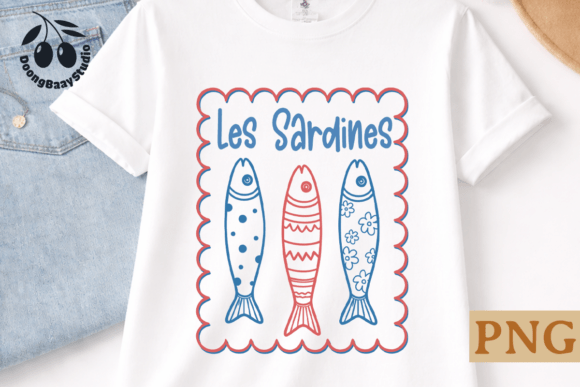
There’s an undeniable charm in vintage nautical illustrations, a sense of story and whimsy that instantly transports you to a coastal afternoon or a quaint seaside shop. This particular design, featuring three playful sardine fish adorned with simple patterns and the text “Les Sardines” in a scalloped frame, captures that feeling perfectly. It’s more than just a PNG file; it’s a versatile visual story waiting to be told across your creative projects. Whether you’re a designer crafting a brand identity or a small business owner looking for that perfect touch of personality, this line art offers a delightful blend of simplicity and character.
A Design That Tells a Story
What makes this illustration so appealing is its thoughtful composition. The use of simple line art in a classic red and blue palette gives it an authentic, hand-drawn feel that avoids looking overly digital or sterile. The scalloped frame isn’t just a border; it evokes vintage packaging, old-world postcards, and the decorative edges of a beloved book. This isn’t a generic fish graphic; it’s a curated piece with a distinct, playful personality. For anyone building a brand with a coastal, artisanal, or French-inspired aesthetic, this asset provides an immediate visual shorthand for that vibe. It communicates warmth, tradition, and a touch of fun without a single word of explanation.
From Digital File to Tangible Brand Assets
The true value of a design asset like this is measured in its application. With a transparent background and high-resolution 300 DPI, this PNG is engineered for real-world use. Imagine it on the packaging for a small-batch seafood sauce or a line of artisanal snacks. It becomes the centerpiece of a logo for a beachside café, instantly setting the tone for the customer experience. For e-commerce entrepreneurs, it’s a ready-made graphic for product tags, thank-you cards, or even a custom stamp that adds a premium, handmade feel to every order.
Beyond packaging, the design shines in digital spaces. It’s an engaging hero image for a blog post about Mediterranean recipes, a charming icon for a travel influencer’s “seafood guide” highlight reel, or the foundation of a social media campaign for a summer sale. Its clean lines ensure it scales beautifully, looking just as crisp on a mobile screen as it does on a poster. The versatility extends to merchandise—think of it on a tote bag for a local fish market, a playful graphic on a hoodie for a sailing club, or a festive element on holiday greeting cards. The possibilities are only limited by the project’s need for character and charm.
Practical Integration into Your Workflow
Using this design effectively is straightforward, but a few practical considerations can maximize its impact. First, think about context. The vintage style pairs exceptionally well with classic serif fonts for a timeless look or with clean sans-serif typefaces to create a pleasing contrast between old and new. When incorporating it into a logo or branding system, ensure the surrounding typography and color scheme complement its red and blue tones rather than compete with them. A muted, earthy palette or crisp navy and white can let the illustration stand out as the focal point.
For print projects, always check the final output size against the file’s resolution. While 300 DPI is excellent for most print applications, scaling the graphic too large for a billboard might require a higher-resolution source. For digital use, optimize the file size to ensure quick loading on websites without sacrificing its crisp appearance. A key advantage of the transparent background is seamless layering. You can easily place it over photographs, textured backgrounds, or solid colors, making it a flexible element in compositions for everything from editorial layouts to email newsletter headers.
Elevating Your Visual Communication
In a crowded visual landscape, a unique and well-chosen design asset can be the differentiator that makes your project memorable. This particular illustration does more than decorate; it communicates. It tells your audience you value craftsmanship, appreciate a bit of history, and don’t take yourself too seriously. It can improve brand recognition by providing a consistent, ownable visual element that customers begin to associate with your quality and personality. For content creators, it adds a layer of professionalism and thematic cohesion to your channels, making your content more engaging and shareable.
Ultimately, the “Les Sardines” line art is a testament to the power of focused, character-driven design. It’s a tool for storytellers, brand builders, and makers who understand that the right visual element can evoke emotion, convey a message, and create a connection. By integrating it thoughtfully into your work, you’re not just adding a pretty picture—you’re embedding a piece of a larger narrative into your own creative vision, one charming sardine at a time.