Making a Visual Impact with Bold Typography
There is a specific kind of design that stops the scroll. It isn't the most complex illustration or the most intricate pattern. Often, it is the simplest combination of letters and words arranged with such deliberate weight and character that they demand to be read. This is the power of a bold statement. For creators, entrepreneurs, and designers, capturing that power in a versatile, ready-to-use format is like finding a secret weapon. A well-crafted bold typeface, especially one delivered as a comprehensive design asset, becomes the foundation for countless projects where clarity and impact are non-negotiable.
The Anatomy of a Commanding Typeface
What transforms a collection of letters into a bold statement? It begins with visual weight. Thick, substantial strokes ensure legibility at a glance, whether on a tiny mobile screen or a large-format poster. But weight alone isn't enough. The personality of the letters—their unique curves, serifs, or lack thereof—gives them voice. A bold sans-serif might speak with clean, modern authority, perfect for a tech startup's branding. A bold serif with subtle details could convey tradition and reliability for a boutique law firm. Then there's the spacing and kerning, the invisible architecture that determines how letters breathe and interact, ensuring words flow smoothly rather than feeling cramped or scattered. A thoughtfully designed bold typeface considers all these elements, creating a harmonious system where every letterform supports the whole. This kind of modern typography doesn't just display text; it shapes the reader's first impression and guides their eye with intention.
From Digital File to Tangible Creation
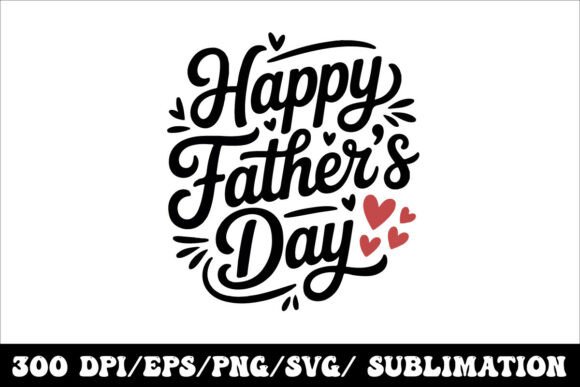
The true test of a design asset is its practical utility. A premium font or typography set loses its value if it's difficult to integrate into your workflow. This is where the structure of the delivery matters immensely. A package that includes multiple high-resolution file types—like SVG, DXF, EPS, and transparent PNG files at 300dpi—is built for real-world application. Think of it as a universal toolkit. The SVG file is a vector, infinitely scalable without quality loss, making it ideal for everything from a favicon on a website to a massive vinyl banner. The DXF file is often the key for crafters and small business owners using cutting machines like Cricut or Silhouette, allowing them to precisely cut designs from vinyl, cardstock, or heat-transfer material for custom decals, stickers, and apparel. The EPS file ensures compatibility with professional design software like Adobe Illustrator, offering full editability for complex branding projects. Finally, the high-resolution transparent PNG is a lifesaver for quick mockups, social media graphics, and layering in programs like Canva or Photoshop. This multi-format approach means the same bold statement can seamlessly move from a digital marketing campaign to a physical product on a shelf.
Strategic Applications Across Your Brand Ecosystem
Let's move beyond theory and into the projects where this kind of typography becomes indispensable. Its strength lies in its versatility across both digital and physical realms.
For Digital Presence and Marketing
Your website's hero section, the headline of a crucial landing page, or the title of a blog post all benefit from a font that commands attention without sacrificing readability. On social media, where content is consumed rapidly, a bold statement in your graphic can communicate your message in a fraction of a second. Use it for quote graphics, promotional announcements, or video thumbnails to create a consistent and recognizable visual thread across platforms. For email marketing, a strong typographic header in your template can improve open rates by establishing professionalism and focus before the reader even delves into the body copy.
For Physical Products and Print
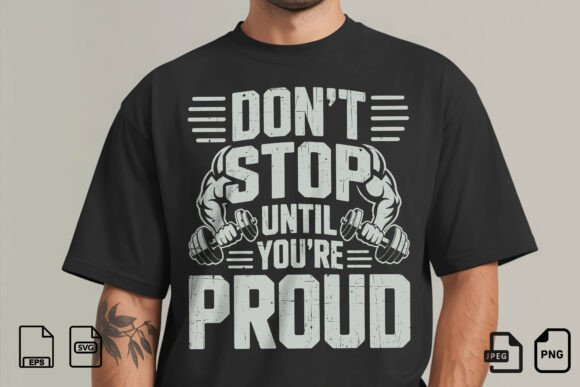
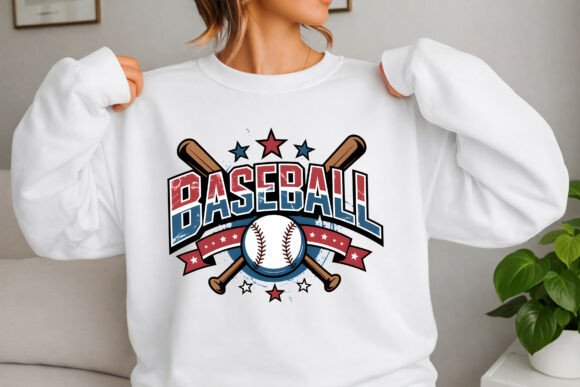
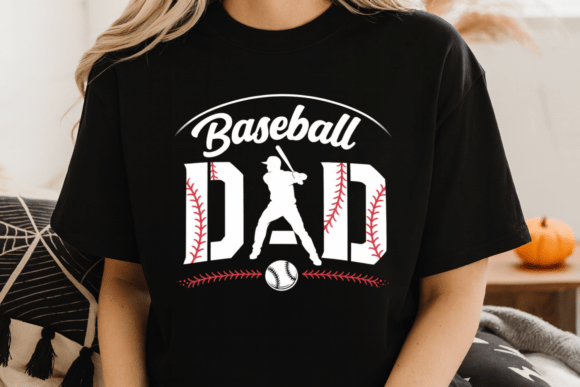
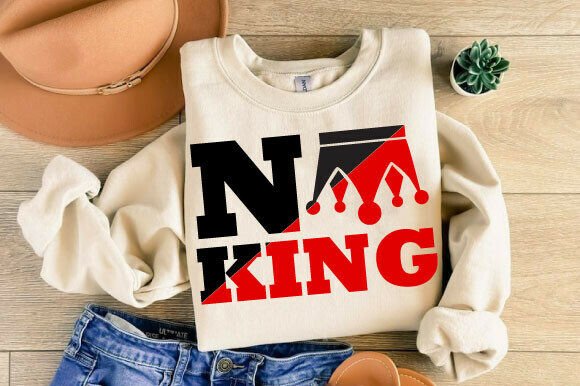
This is where the included cut files truly shine. Imagine designing a line of motivational t-shirts for your Etsy shop. Using the SVG or DXF file, you can create flawless iron-on transfers or screen print separations. The same design could become a decal for a laptop, a stencil for a painted sign, or a elegant engraving on a notebook. For event planners or stationery designers, the typography can set the tone for wedding invitations, birthday banners, or conference posters. Small business owners can use it to create cohesive packaging design, from product labels to thank-you cards inserted with orders, reinforcing brand identity with every unboxing.
Practical Considerations for Flawless Execution
Adopting a new typeface into your design arsenal requires a few thoughtful steps to ensure it serves your goals effectively.
First, consider the personality. Does the font's style align with your brand's voice? A playful, rounded bold font might be perfect for a children's brand but would clash with a luxury skincare line. Review all the included styles and weights if available—does it offer the range you need for hierarchy, like a bold for headlines and a regular for subheads?
Next, test font pairings. A bold statement font is often used for headlines, so pair it with a more neutral, highly readable body font. A classic combination might be a bold display sans-serif with a clean, light sans-serif for paragraphs. Avoid pairing two overly decorative or heavy fonts, which can create visual competition and fatigue.
Never overlook readability. Test the font at the sizes you intend to use it. Does the "a" clearly distinguish from an "o"? Are the counters (the enclosed spaces in letters like 'e' or 'a') open enough to be clear at small sizes? Bold fonts can sometimes become muddy if not carefully crafted.
Finally, understand the licensing. For any commercial font or design asset, confirm the license covers your intended use—whether for print-on-demand products, client work, or unlimited commercial projects. Reputable providers make this clear, allowing you to use the asset with confidence.
Cultivating a Cohesive Visual Language
Ultimately, integrating a powerful typeface like a bold statement design is about more than just making text look good. It's about building a system. When the same typographic voice appears on your website, your social media, your product packaging, and your invoices, it creates a powerful sense of cohesion. This consistency breeds familiarity, and familiarity builds trust. Your audience begins to recognize your brand's visual language before they even read the words. It transforms disparate marketing assets into chapters of the same story. In a crowded marketplace, that kind of recognizable, professional presentation isn't just an aesthetic choice; it's a strategic advantage that communicates reliability and attention to detail, making every project you undertake more memorable and effective.